A support pattern worth prioritizing
Conversations with Customer Support and a review of case volume revealed a recurring problem: people changed jobs, lost access to their work email, and could not remember their password. Many were non-technical professionals. The account was still useful; the email address had stopped being a reliable way to reach its owner. I advocated for prioritizing the fix and led the product and UX work with Engineering and Security.
A reset link still needs the inbox
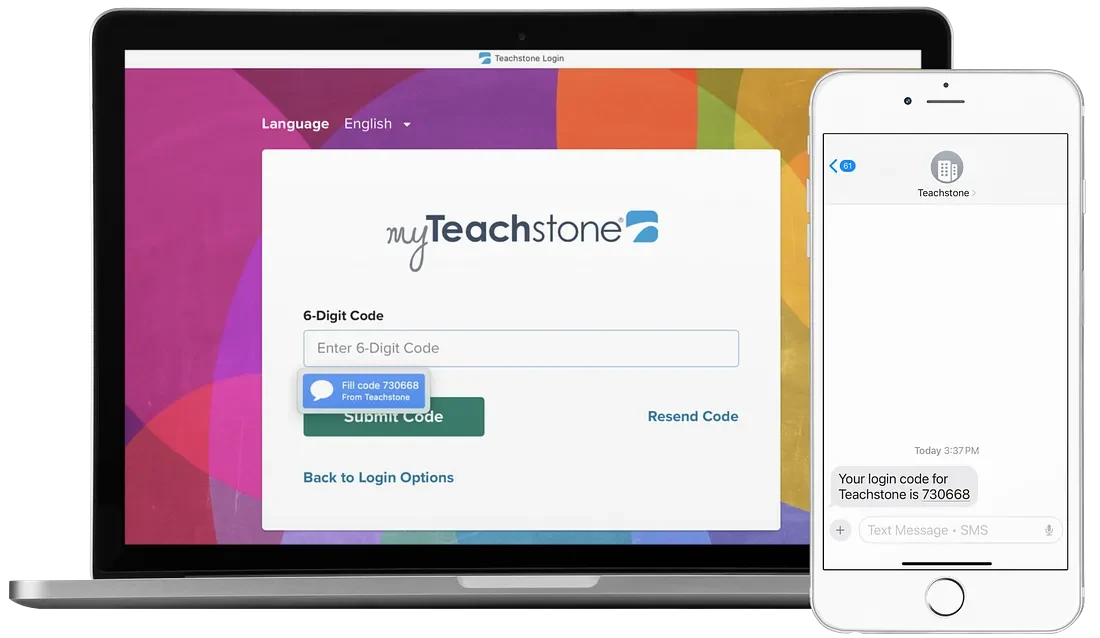
Making an email-based password reset easier could help someone who still had that inbox. It could not resolve this particular failure. We introduced SMS login using a verified mobile number, giving people another route into an existing account. The important change was the recovery dependency: access no longer had to depend on a former employer’s email address.
Useful errors need a safety boundary
A vague failure leaves a person guessing, but more specific login feedback needs protection against repeated attempts. Attempt throttling allowed us to display more helpful error messages while keeping that boundary in place. I treated the recovery route, interface copy, error handling, and security controls as one design problem.
Measure the route people actually use
After launch, I followed login-error rates and adoption of SMS among active users. The two-year adoption measure helped show that this was becoming an everyday route in, rather than a feature people tried once. The result was less friction at the gateway to the platform.
fewer login errors
after the changes
SMS adoption among active users
over two years
SMS-login error rate
myTeachstone / Product measurements